
Sell Your Damaged House Fast in Long Island, NY | Cash Offers in 24 Hours
We Buy Ugly Houses in ANY Condition - No Repairs Needed
Dealing with a damaged house in Long Island can feel overwhelming. Whether you’re facing fire damage, water damage, structural issues, or code violations, you’re probably wondering if anyone will buy your property as-is, without requiring costly repairs. The good news is that you can sell your damaged house in Long Island quickly and for a fair cash price.
For 26 years, we’ve been helping Long Island homeowners sell damaged properties in Nassau County and Suffolk County without the stress of traditional real estate sales. No repairs, no realtor commissions, no lengthy closing processes. Just a straightforward cash offer and a closing date that works for your schedule.
26 Years in Business
Serving Long Island homeowners since 1999
Long Island Based
Nassau & Suffolk County specialists
No Pressure Process
Fair offers, your timeline, zero obligation
Transparent Pricing
Clear, honest evaluation process
Table of Contents
The Real Choice: Insurance Headache vs. Quick Cash Sale
After a fire damages your Long Island home, you face a critical decision. Many homeowners assume they must file an insurance claim and rebuild. But there's another path that might make more sense for your situation—selling your fire-damaged house as-is for cash.
Let's compare these options honestly, so you can make the best decision for your family.
| Factor | Insurance Claim + Rebuild | Sell As-Is for Cash |
|---|---|---|
| Timeline | 12-18 months typical | 7-14 days to closing |
| Your Involvement | Manage contractors, permits, inspections, disputes | One evaluation, sign paperwork |
| Emotional Toll | High - reliving trauma through repairs | Low - one decision, move forward |
| Out-of-Pocket Costs | Deductibles, upgrades, code compliance | Zero |
| Paperwork | Claims, estimates, permits, inspections | Purchase agreement, deed |
| Risk | Claim denials, cost overruns, delays | Guaranteed closing |
| Final Value | Potentially higher (if claim approved) | Lower but certain |
| Stress Level | 8/10 - Constant decisions and follow-up | 2/10 - Single transaction |
The Insurance Reality
According to the Insurance Information Institute, the average homeowner spends 12-18 months navigating fire damage claims and repairs. You'll deal with adjusters who minimize damage, contractors who run behind schedule, and hidden costs that weren't in the original estimate. Many Long Island homeowners face disputes over code upgrades required by Nassau or Suffolk County—costs insurance won't always cover.
The Cash Sale Advantage
A cash sale transfers all of this burden to the buyer. You walk away with certainty, close on your schedule, and avoid months of stress. While you'll receive less than if you rebuilt and sold on the traditional market, many homeowners find the peace of mind worth far more than the difference.
Understanding How Fire Damage Affects Your Long Island Home
Fire damage goes far beyond what you can see. Even a small kitchen fire can create lasting problems that make a traditional sale nearly impossible. Here's what you're really dealing with:
Structural Damage
Weakened beams, compromised foundations, and roof damage that may not be immediately visible but affects home integrity.
Smoke Damage
Smoke penetrates walls, insulation, and HVAC systems. The smell lingers even after cleaning, and health concerns remain.
Water Damage
Firefighting efforts often cause extensive water damage. Mold develops quickly in Long Island's humid climate—sometimes within 24-48 hours.
Electrical & Mechanical
Wiring, plumbing, and HVAC systems often need complete replacement even if fire damage seems minimal.
Code Compliance Issues
Nassau and Suffolk County require bringing fire-damaged homes up to current code, which can double your repair costs.
Why Long Island Fire-Damaged Homes Are Hard to Sell Traditionally
Most buyers can't get financing for a fire-damaged property. Mortgage lenders won't approve loans until all repairs are complete and the home passes inspection. This means you'd need to:
- Complete all repairs yourself (paying upfront)
- Get all necessary permits from your local building department
- Pass all inspections
- Disclose the full fire history
- Accept that many buyers will still walk away due to stigma
Your 3 Options for Selling a Fire-Damaged House in Long Island
Let's break down each option with complete honesty about what's involved, typical timelines, and realistic outcomes.
Option 1: Repair First, Then Sell Traditionally
- File insurance claim and work with adjuster
- Hire licensed contractors for repairs
- Obtain all required permits from Nassau or Suffolk County
- Complete repairs (monitor quality throughout)
- Pass all building inspections
- List with a real estate agent
- Disclose fire history to all buyers
- Close sale (typically 30-60 days after listing)
| Advantages | Disadvantages |
|---|---|
| Highest potential sale price | 12-18 month timeline typical |
| Attract conventional buyers | High upfront costs (deductible, upgrades) |
| Traditional financing available to buyers | Must manage contractors and permits |
| Full control over repairs | Risk of cost overruns |
| - | Insurance disputes common |
| - | Stigma remains—many buyers still wary |
- Kitchen fire repair: $15,000 - $35,000
- Whole-home restoration: $50,000 - $150,000+
- Permit fees (Nassau/Suffolk): $500 - $2,000
- Code upgrade requirements: 10-30% additional
- Insurance claim processing: 30-90 days
- Contractor availability: 14-60 days wait
- Actual repairs: 3-9 months
- Permitting and inspections: 30-90 days
- Listing to sale: 30-90 days
- Total: 12-24 months
- Your insurance fully covers repairs
- You have 12+ months before you need to sell
- You have cash reserves for unexpected costs
- The home has substantial equity
- You're emotionally ready to manage the process
Option 2: Sell As-Is to a Cash Buyer (Recommended for Most)
- Contact cash buyer (like us)
- Schedule property evaluation (24-48 hours)
- Receive written cash offer (same day)
- Accept offer (no obligation to accept)
- Choose your closing date
- Sign paperwork at closing
- Receive payment (typically wire transfer)
Timeline: 7-14 days from first contact to cash in hand
Pros & Cons:| Advantages | Disadvantages |
|---|---|
| Close in 7-14 days | Lower sale price (typically 40-60% of pre-fire value) |
| Zero repair costs | Must accept as-is offer |
| No permits or inspections needed | Smaller buyer pool (investors only) |
| We coordinate with your insurance | - |
| No realtor commissions (save 5-6%) | - |
| No closing costs for you | - |
| Certainty—no deal falling through | - |
| Move on your timeline | - |
We use a transparent formula:
Current Market Value (what similar homes sell for)
MINUS Repair Costs (professional estimate)
MINUS Our Holding Costs (taxes, insurance during renovation)
MINUS Our Profit Margin (typically 10-15%)
EQUALS Your Cash Offer
What You Save:
- Realtor commission (5-6%): ~$27,000
- Repairs: $85,000
- Closing costs: $5,000-$8,000
- Holding costs (mortgage, taxes, insurance): $15,000
- Total savings: ~$132,000+
Net Difference: You might net similar amounts after accounting for all costs, time, and risk.
- You need to sell quickly
- You can't afford $50,000+ in repairs
- You're emotionally ready to move on
- You value certainty over maximum price
- You don't want to manage contractors
- Your insurance coverage is limited
Option 3: Sell the Land Only
- Get land appraisal
- Factor in demolition costs
- Market to developers or builders
- Buyer purchases for land value only
| Advantages | Disadvantages |
|---|---|
| Avoid repair costs entirely | Lowest sale price |
| Clear title and liability | Limited buyer pool |
| Faster than full repairs | May need to pay for demolition |
| Appeals to developers | Only makes sense for severe damage |
- Structural damage exceeds 70% of home value
- Home is condemned or close to it
- Land value alone is substantial
- Location in desirable Long Island neighborhood
- Nassau County: $150,000 - $400,000+ (depending on location)
- Suffolk County: $80,000 - $250,000+ (depending on location)
- Demolition costs: $10,000 - $25,000
Not Sure Which Option Is Right for You?
Let's talk through your specific situation—no pressure, just honest guidance.
Schedule a Free Consultation (516) 605-3001How Our Process Works: Complete Transparency
We've refined our process over 26 years to be as simple and stress-free as possible. Here's exactly what happens, step by step:
Initial Contact
Day 1What You Do:
- Call us or fill out the form
- Share basic information about your property and fire damage
- Ask any questions you have
What We Do:
- Listen to your situation without pressure
- Explain your options honestly
- Schedule a property visit at your convenience
Property Evaluation
Day 2-3What You Do:
- Meet us at the property (or give us access)
- No need to clean or prepare anything
- Show us the extent of damage if you're comfortable
What We Do:
- Professional assessment of fire, smoke, and water damage
- Check structural integrity
- Evaluate repair scope and costs
What We Look At:
- Structural damage to roof, walls, foundation
- Smoke and soot damage throughout
- Water damage from firefighting
- Electrical and plumbing systems
- Code compliance requirements
- Neighborhood comparable sales
Written Cash Offer
Day 3What You Receive:
- Written cash offer (usually same day)
- Clear breakdown of calculations
- No obligation to accept
- Time to review and think it over
What We Do:
- Prepare detailed offer letter
- Explain our calculations
- Answer all your questions
- Give you space to decide—zero pressure
Offer Acceptance
Your TimelineWhat You Do:
- Review the offer with family/advisor
- Ask any additional questions
- Accept if it works for you
- Choose your preferred closing date
What We Do:
- Remain available for questions
- Coordinate with your insurance if needed
- Begin title work once you accept
Closing & Cash
Day 7-14What You Do:
- Sign paperwork
- Bring ID and required documents
- Receive your payment
What We Do:
- Handle all closing costs
- Coordinate with title company
- Wire funds to your account
- Take possession of property
What You'll Need:
- Government-issued ID
- Proof of ownership (deed)
- Any insurance documentation
- Keys to property
After Closing
Your Responsibilities:
None. We handle all cleanup, repairs, permits, and eventual resale.
Our Responsibilities:
Complete renovation, handle all code compliance, manage contractor relationships.
Working With Insurance: What You Need to Know
One of the most common questions: "Can I still sell if I've already filed a claim?"
The short answer is yes. Here are the 3 typical scenarios:
1. Haven't Filed Yet
You can sell as-is and keep any insurance payout you receive before closing. Ideal if you want to avoid repairs entirely.
2. Filed but No Payment
You can typically assign benefits to us. We take over the claim, receive the funds, and handle the repairs ourselves.
3. Already Paid Out
Complex but manageable. You might return unused funds or assign benefits. We help you navigate your specific policy rules.
- Communicate directly with adjuster (with permission)
- Help document damage for your claim
- Provide repair estimates to support claim
- Structure sale to protect your benefits
- Your deductible is $10,000+
- Policy won't cover code upgrades
- Facing claim denials or disputes
- Can't afford to pay contractors upfront
Questions to Ask Your Adjuster
Need help with these conversations? We're happy to join calls to ensure fair treatment.
NY Dept. of Financial Services ResourceNew York Disclosure Requirements:
Protect Yourself Legally
New York State has specific disclosure requirements when selling real estate. Fire damage must be disclosed properly to protect you from future liability.
- The fact that a fire occurred
- Extent of smoke & water damage
- All repairs made (with permits)
- Insurance claims filed
- Structural damage or code issues
- We expect damage & buy "As-Is"
- No expectation of repairs
- We assume liability for code compliance
- You're protected once sale closes
Property Condition Disclosure Statement
This is the official NY form. When selling to us, you'll note: "Fire occurred on [date], Property sold AS-IS with no repairs made." We help you fill this out correctly.
Official DocumentNever Hide Fire Damage
- Buyer lawsuits after closing
- Forced property buy-back
- Paying for buyer's repairs
- Legal fees and court costs
Long Island Fire-Damaged Property Market:
Local Insights
Long Island's real estate market has unique characteristics that affect fire-damaged home sales. Understanding your local market helps you make better decisions.
Nassau County
Market Characteristics- Higher property values overall
- Strong buyer demand even for distressed properties
- Stricter code requirements for renovations
- Longer permitting timelines (60-90 days)
- Retain 40-60% of pre-fire value
- Land values: $150k - $400k+
- Renovation costs: $60k - $180k
Garden City, Mineola, Hempstead, Hicksville, Levittown, Long Beach
Suffolk County
Market Characteristics- Varied property values (town specific)
- Growing investor interest in distressed properties
- Code requirements vary by township
- Faster permitting in some areas
- Retain 35-55% of pre-fire value
- Land values: $80k - $250k+
- Renovation costs: $50k - $150k
Smithtown, Huntington, Babylon, Islip, Brookhaven
Why Location & Context Matters
Impact of Location
- High-Demand (Near trains/beaches): Faster sales, higher offers, land value often justifies sale.
- Moderate-Demand: More negotiation, renovation potential determines the price.
Common Fire Causes in LI
- Electrical fires (older pre-1970 wiring)
- Kitchen fires (cooking-related)
- Heating equipment (winter months)
- Dryer lint buildup
Areas We Serve
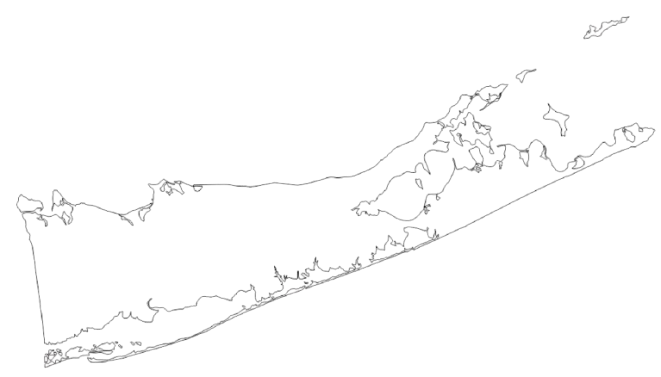
Sell Your Fire Damaged House in Suffolk
Dealing with the aftermath of a fire in Suffolk County? Don’t stress over costly repairs or insurance delays. We buy fire-damaged houses in any condition, allowing you to walk away with a fair cash offer and a fresh start.

Nassau Fire Damage Property Buyers
We specialize in purchasing homes in Nassau County that have suffered fire and smoke damage. Skip the restoration process and sell your house “as-is.” We handle all the cleanup and structural concerns after the sale.
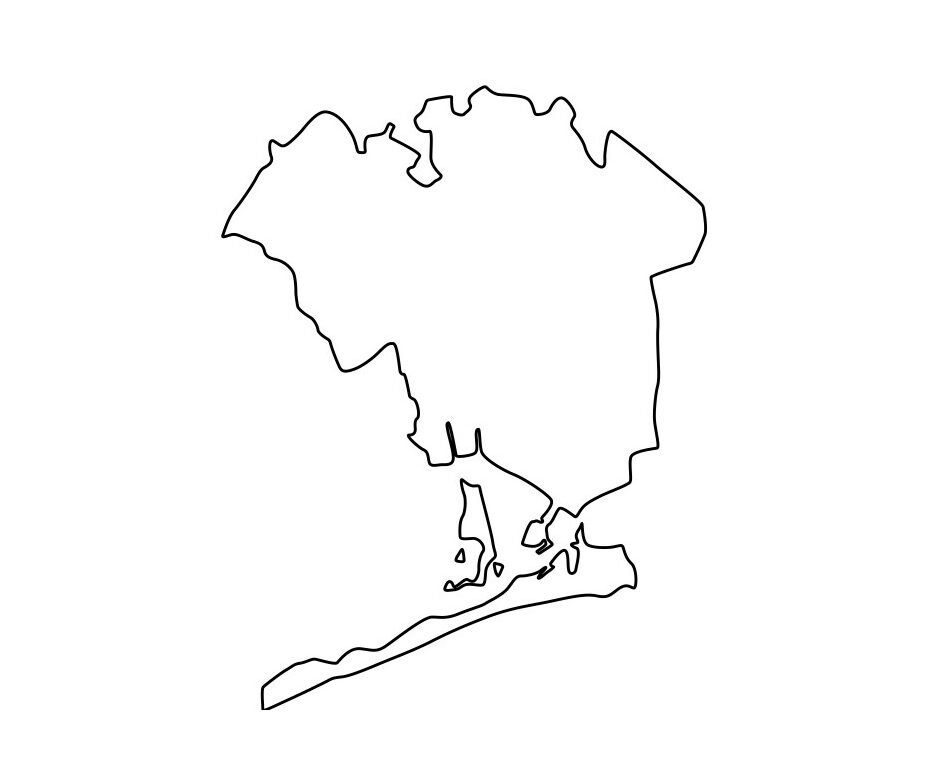
Queens Fire Damaged Home Sale
Selling a fire-damaged property in Queens through a realtor can take months. We provide a faster way. Get a guaranteed cash offer for your damaged home today, regardless of the extent of the burn or smoke damage.

Brooklyn "As-Is" Fire Damage Sales
We offer a compassionate and quick solution for Brooklyn homeowners with fire-damaged properties. Avoid the headache of building permits and inspections, we buy your house exactly as it stands for a competitive cash price.
Frequently Asked Questions About Selling Your Fire-Damaged House
We've answered hundreds of questions from Long Island homeowners over the years. Here are the most common ones:
Can you sell a house with fire damage?
Yes, absolutely. You can sell a house with fire damage in any condition, from minor smoke damage to complete destruction. You have three main options:
- Repair first, then sell traditionally: Best if you have excellent insurance coverage, time, and money to invest.
- Sell as-is to a cash buyer: Fastest and easiest option, ideal for most situations.
- Sell for land value only: Best if damage is so severe the structure is worthless.
The key is understanding that traditional buyers (those using mortgages) typically can't buy fire-damaged properties until all repairs are complete and the home passes inspection. This is why most homeowners sell to cash buyers like us who specialize in fire-damaged properties.
We've been buying fire-damaged homes in Nassau and Suffolk County for 26 years—we've seen every type of damage and every scenario.
How much does it cost to repair fire damage in Long Island?
Repair costs vary dramatically based on damage extent, but here are Long Island-specific ranges:
Minor Fire (one room, mostly cosmetic):- Smoke cleaning and deodorization: $2,000-$8,000
- Wall and ceiling repair: $1,500-$5,000
- Flooring replacement: $2,000-$8,000
- Total: $5,500-$21,000
- Structural repairs: $10,000-$30,000
- Smoke and soot remediation: $5,000-$15,000
- Electrical system replacement: $5,000-$12,000
- Plumbing repairs: $3,000-$8,000
- HVAC replacement: $5,000-$12,000
- Water damage/mold remediation: $4,000-$15,000
- Total: $32,000-$92,000
- Structural rebuilding: $40,000-$100,000
- Complete electrical: $12,000-$25,000
- Complete plumbing: $10,000-$20,000
- HVAC systems: $10,000-$20,000
- Finishing work: $30,000-$80,000
- Code upgrades (Nassau/Suffolk requirements): $15,000-$40,000
- Total: $117,000-$285,000+
Nassau and Suffolk County Code Upgrades Add 15-30% to Base Costs: Older homes must be brought up to current code (Updated electrical panels, fire detection systems, upgraded insulation, structural reinforcements).
Source: Based on local contractor estimates and data from Angi and HomeAdvisor for Long Island specifically.
The hidden costs: Don't forget permits ($500-$2,000), inspections ($300-$800), temporary housing during repairs, and your time managing the project.
Do I have to disclose fire damage when selling in New York?
Yes, absolutely—and failing to disclose can cost you dearly. New York State law requires sellers to complete a Property Condition Disclosure Statement that specifically asks about fires, flooding, and other damage. You must disclose:
- That a fire occurred (date and extent)
- All damage caused (fire, smoke, water)
- All repairs made (with permits and documentation)
- Any ongoing issues
- All insurance claims filed
How long are you liable? In New York, buyers can sue for non-disclosure up to 6 years after closing. Even if you think the damage was minor, disclose it.
What if you sell as-is? You still must disclose the fire, but you're not required to make repairs. The disclosure simply states the condition as-is and that you're making no repairs. This actually protects you because the buyer accepts the property in its current condition.
When we buy your home: We expect full disclosure and buy with complete knowledge of all damage. Once we close, you're no longer liable for any fire-related issues—we assume all responsibility.
NY Department of State - Disclosure RequirementsWhat happens to my insurance if I sell my fire-damaged house?
Insurance and selling can work together, but timing matters. Here's how it typically works:
If you haven't filed a claim:- You can sell as-is and keep any payout you receive before closing
- Some homeowners file the claim, get the payout, and then sell
- Others skip the insurance process entirely and just sell
- You can often assign the insurance benefits to the buyer
- The buyer takes over your claim and receives the insurance money
- This can increase the sale price since the buyer gets insurance funds
- We coordinate this regularly and handle all the paperwork
This is more complex and depends on your specific policy. Some policies require you to use funds specifically for repairs. If you sell instead, you might need to return unused funds, repay the insurance company from sale proceeds, or assign remaining benefits to the buyer.
The best approach: Contact your insurance company or agent and ask: "Can I sell my fire-damaged home instead of repairing it?", "What happens to my insurance payout if I sell?", and "Can I assign my benefits to a buyer?"
We've worked with dozens of insurance companies and can join calls with your adjuster to ensure you're getting fair treatment and maximum benefits.
NY State Department of Financial Services - Consumer AssistanceCan I keep my insurance payout and still sell?
In most cases, yes—but it depends on the timing and your specific policy.
The straightforward scenarios:- You receive insurance money, make no repairs, then sell: Generally allowed. You might need to return unused funds or disclose this to the buyer, but it's typically legal. Some policies have clauses about this, so review yours.
- You receive a partial payout, sell as-is: Usually fine. You disclose that some insurance was received but repairs weren't made. The buyer accepts this.
- You assign your insurance benefits to the buyer: The buyer receives your insurance payout and uses it for repairs after purchase. This can increase the offer price.
Some insurance policies have "repair requirements" stating funds must be used for repairs. If your policy has this, you might need to return unused insurance money, negotiate with the insurance company, or structure the sale to satisfy requirements.
Example Calculation: Let's say you receive a $75,000 insurance payout:
This might still make sense vs. paying $75,000+ to manage repairs yourself.
Our recommendation: Be completely transparent with both your insurance company and your buyer (us). We'll help structure the sale to maximize what you keep while staying fully compliant with your policy.
How much value does a house lose after a fire?
Fire-damaged homes in Long Island typically retain 40-60% of their pre-fire value when sold as-is, but this varies significantly based on several factors.
| Damage Severity | Nassau County Retention | Suffolk County Retention |
|---|---|---|
| Minor Fire | 70-85% | 65-80% |
| Moderate Fire | 50-70% | 45-65% |
| Severe Fire | 30-50% | 25-45% |
- Scenario 1 (Minor Kitchen Fire): Pre-fire $550k → As-is $380k-$440k (69-80% retention).
- Scenario 2 (Moderate Whole-Home): Pre-fire $450k → As-is $180k-$270k (40-60% retention).
- Scenario 3 (Severe Structural): Pre-fire $400k → As-is $120k-$180k (30-45% retention - primarily land value).
Why the value loss? Repair costs, financing difficulty (most buyers can't get loans), stigma, insurance concerns, and risk premium. After repairs and disclosures, even if you spend $100,000 repairing the home, you typically only recover 60-70% of that investment due to the property's fire history.
Who buys fire-damaged houses?
Several types of buyers purchase fire-damaged houses, each with different motivations and offers:
1. Cash Investors (Like Us)Real estate investors with cash reserves specifically for fire-damaged properties. We offer quick closings (7-14 days), as-is purchases, and no repair requirements. Typical offer: 40-60% of pre-fire value. Best for homeowners who want speed and certainty.
2. House FlippersInvestors focused on quick renovation and resale. They need larger profit margins, so offers are typically 35-55% of pre-fire value.
3. Developer/BuildersLooking for teardown opportunities. Offers based on land value minus demolition costs. Best for severely damaged homes where structure has no value.
4. Individual Buyers with Rehab LoansUsing FHA 203(k) loans. They pay slightly higher (50-70%) but have a much slower process (6+ months) that often falls through.
5. Neighboring Property OwnersOffers vary widely. Best for unique situations in tight markets.
How we're different: 26 years serving Long Island, transparent pricing, local expertise, and fair offers.
How long does it take to sell a fire-damaged house?
Timeline depends entirely on which selling method you choose:
| Step | Selling As-Is (Our Process) | Selling Traditionally |
|---|---|---|
| Prep/Process | 24-48 hrs evaluation | 30-90 days insurance/contractors |
| Repairs | None | 3-9 months repairs |
| Permits | None | 30-90 days permits/inspections |
| Listing/Closing | 7-14 days | 30-90 days listing + 45 days closing |
| TOTAL | 7-14 Days | 12-24 Months |
Factors That Affect Timeline: For cash sales, it's your decision speed and title issues. For traditional sales, it's insurance responsiveness, contractor availability, and permit approval times (Hempstead/Babylon are slower; Brookhaven/Smithtown are faster).
Real Long Island Example: A homeowner in Garden City chose to repair. It took 14 months total (2 months insurance, 3 months delay, 5 months repairs, 2 months permits, 2 months to sell). If they sold to us, it would have taken 14 days.
Do I need permits to repair fire damage?
Yes—permits are almost always required for fire damage repairs in Nassau and Suffolk County. This is a major hidden cost and delay.
Always Require Permits:- Structural repairs (walls, roof, foundation)
- Electrical, Plumbing, and HVAC work
- Any work affecting building structure or code compliance
- Costs: $300-$800 (minor) to $2,000-$5,000+ (major).
- Inspections: Multiple stages (Rough, Insulation, Final).
- Timeline: Adds 60-120 days to your project.
⚠️ Never skip permits: It can result in stop-work orders, fines ($500-$5,000+), inability to get a Certificate of Occupancy, and legal liability.
The As-Is Advantage: When you sell to us, we handle all permits, coordination, and code compliance after purchase. You avoid this entire headache.
Nassau County Building Dept Suffolk County Dept of Economic DevelopmentCan I sell a condemned house after fire damage?
Yes, you can sell a condemned house in New York, but the process and buyer pool are limited. A house is condemned when deemed structurally unsafe or uninhabitable.
Can You Sell?Yes, but you must disclose the status. Most buyers can't get financing, so you'll attract cash investors or developers. The price will reflect demolition or heavy repair costs.
Typical Process:You receive a notice and have 30-90 days to respond. You can repair, demolish ($10k-$25k cost), or sell to a cash buyer. When you sell to us, we purchase even if condemned and handle all building department communications.
Example (Hempstead):Pre-fire value $400k. Condemned status. Land value $180k. Demolition cost $18k. Realistic cash offer: $145,000-$160,000. Condemnation doesn't mean worthless—get it evaluated.
What's the difference between selling as-is and making repairs?
This is about money, time, and stress. Selling As-Is means you sell in current condition, buyer accepts all damage, no cleaning required.
| Cost/Benefit | As-Is Sale | After Repairs |
|---|---|---|
| Sale Price (Example) | $280,000 | $420,000 |
| Repair Costs | $0 | $85,000 |
| Realtor Comm (5%) | $0 | $21,000 |
| Closing Costs | $0 (we cover) | $7,000 |
| Holding Costs (6mo) | $0 | $9,000 |
| Your Time | 2-3 hours | 200+ hours |
| Net to You | $280,000 | $298,000 |
Difference: $18,000 more. Is that worth 12-18 months of stress, risk of cost overruns, and managing contractors? For most Long Island homeowners, selling as-is makes more sense.
How do cash buyers determine value for fire-damaged homes?
We believe in transparency. Here is the exact formula we use:
Step 1: Comparable Market AnalysisWe look at what similar, undamaged homes sold for in your neighborhood (e.g., Garden City). Baseline: $460,000.
Step 2: Repair EstimateStructural ($25k) + Smoke ($8k) + Water ($12k) + Electric ($15k) + Plumbing ($6k) + HVAC ($9k) + Finish ($18k) = $93,000 Total Repairs.
Step 3: Holding CostsTaxes, insurance, utilities, permits, and future selling costs = $35,000.
Step 4: Profit MarginWe typically use 12% (Industry standard is 10-15%) = $43,000.
Why is this fair? You get $289k in 7-14 days with zero risk. If you repaired it yourself, you might net ~$343k, but only after 18 months of work and risking cost overruns.
We differ from others: We use a conservative 12% margin (vs 20%), show our calculations, and build our reputation on fair offers.
Ready for Your Cash Offer?
It starts with a simple conversation. No pressure, no obligation, just honest answers and a fair price.

We Buy Houses in Any Condition
No need to clean, repair, or stage your home. We handle everything from clutter to structural repairs, so you can walk away with cash in hand.
- No Repairs Needed
- No Real Estate Commissions
- We Pay All Closing Costs

Close on Your Timeline
Whether you need to close in 7 days or 2 months, we adjust to your schedule. Skip the open houses and uncertainty of the traditional market.
- 7-Day Closing Available
- Immediate Cash Payment
- Zero Obligation Offer